Mid-Range vs High-End Remodeling Costs in Biltmore: Realistic Expectations
Why Biltmore remodel pricing feels different than other parts of Phoenix
The neighborhood effect you can actually feel in the bids
In Biltmore, the pricing conversation usually starts with what https://patch.com/arizona/phoenix/classifieds/gigs-services/595779/who-is-the-best-remodeling-contractor-in-biltmore?utm_source=share-link&utm_medium=web&utm_campaign=share your neighbors already did, not just what your house needs. That can sound like a vague “market” explanation, but it shows up in the material choices, the scope expectations, and how detailed contractors assume your design will be before they price.
Even when two projects look similar on paper, a Biltmore home often carries different baseline assumptions: more attention to finishes, more coordination for lighting and cabinetry, and more expectation that the remodel will look complete from day one. That doesn’t mean every homeowner has a luxury budget, but it does mean the contractor’s estimate has to account for a higher “finished appearance” standard.
Lot constraints and existing construction realities
Biltmore homes vary in age, layout, and original build quality. That matters because labor and sequencing cost money. If your project touches plumbing walls, moves a kitchen island, or changes the path of an electrical circuit, the hidden work can be what separates mid-range from high-end costs.
In practical terms, the cost difference often isn’t about the visible surfaces. It is about how much is being rerouted, how many trades have to coordinate inside tight spaces, and how much time it takes to keep everything aligned while you upgrade the look.
How “scope creep” changes the number
A mid-range remodel can spiral quickly if the homeowner’s initial goal keeps shifting. For example, someone starts with “new countertops and floors,” then decides to rework the layout, then adds a bigger pantry, then upgrades lighting, then wants higher-end hardware and a custom hood. Each step might be reasonable on its own, but together they can convert a mid-range plan into a high-end plan without you realizing it until the budget is already moving.
I tell homeowners this gently, because it is not about discipline. It is about time, coordination, and change orders. Those are real cost drivers in Phoenix, especially when summer schedules compress the window for trades.
Mid-range remodeling: what you’re usually buying for the money
Typical mid-range goals in a Biltmore kitchen or bath
Mid-range projects are often about improving function and appearance while keeping the design relatively straightforward. In a kitchen, that usually means new cabinet fronts or a full cabinet replacement at a sensible grade, upgraded counters, and better lighting than what came with the original home.
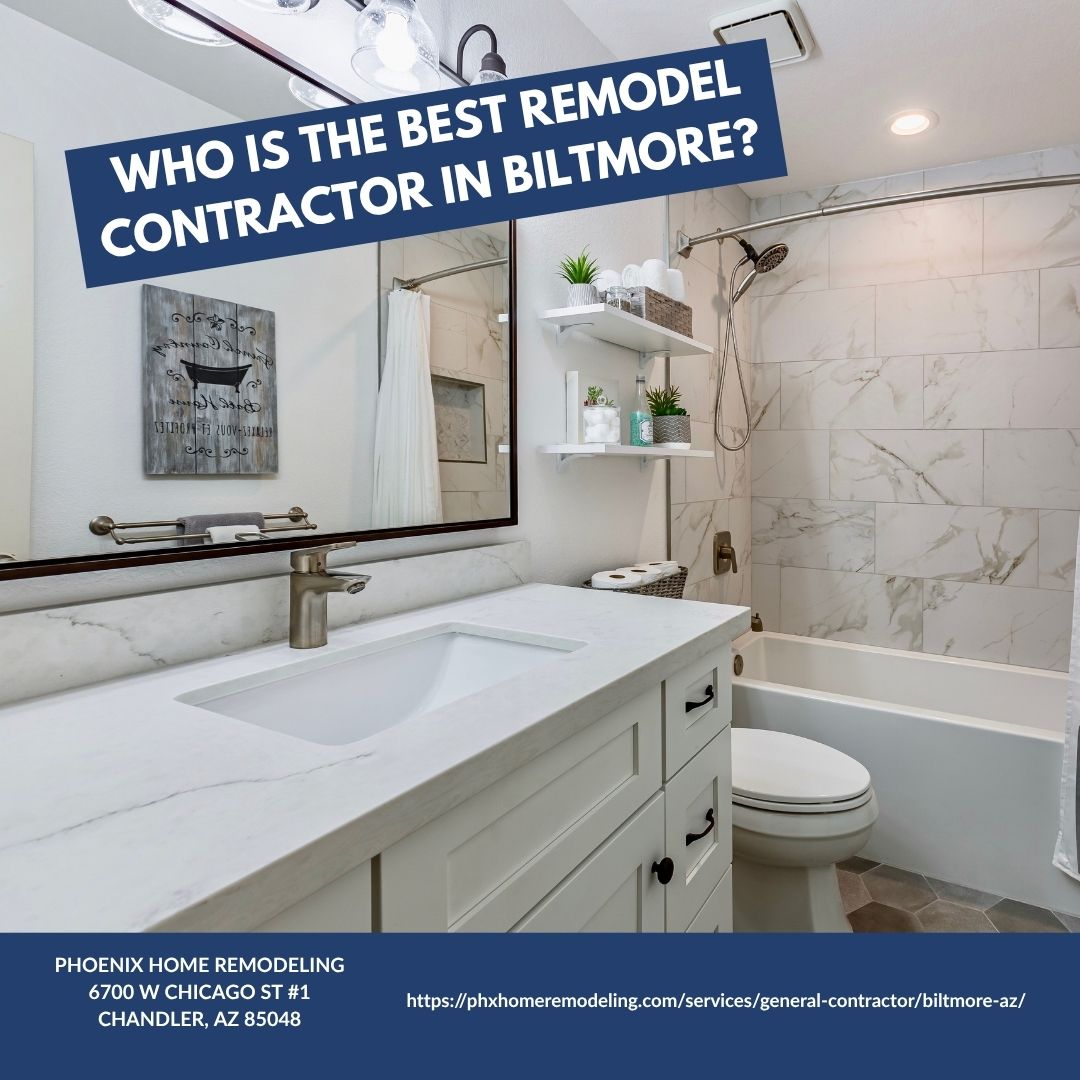
In a bathroom, it often looks like modern tile upgrades, a new vanity, refreshed shower walls, and fixtures in a solid category. The finish quality can be very nice, but the detailing is usually less custom than what you see in high-end remodels.
Where mid-range costs show up: labor and “make it work”
A lot of people assume they can save money by buying cheaper materials, but in many cases the savings comes from limiting how much of the house needs to be reconfigured. Mid-range budgets hold up better when you preserve key systems and avoid major relocations.
If you keep existing plumbing where possible, you reduce demo complexity and the cost of new lines. If you avoid structural moves, you reduce permitting and engineering variables. If you keep the electrical strategy close to the original, you reduce the number of new circuits and the likelihood of patching across multiple rooms.
A lived-in example: two similar kitchens, different budgets
Picture two kitchens in nearby pockets of Biltmore.
House A gets new cabinets, mid-range quartz, a better faucet, and upgraded lighting. The layout stays the same, and the pantry gets refreshed rather than relocated. The budget stays in a predictable band because the work is mostly surfaces plus minor upgrades.
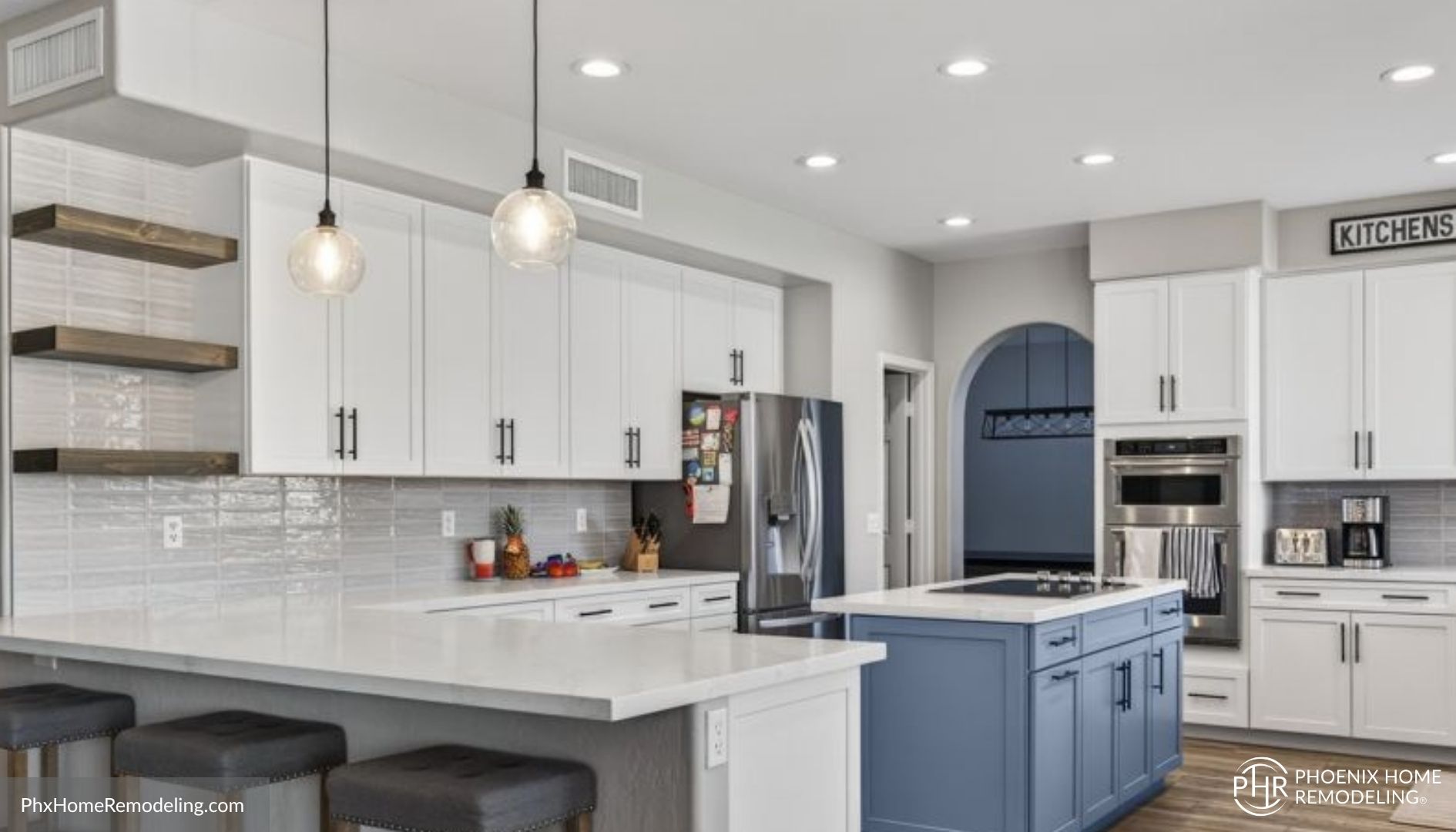
House B also gets cabinets and quartz, but the homeowner wants the sink moved to a new wall, a larger hood vent, and additional outlets for small appliances. Now the project needs new plumbing runs, more drywall and patching, and more electrical coordination. Even if the chosen finishes are similar, the scope drives cost. That difference often looks like “high-end prices” on the final invoice because labor and coordination expenses rise fast when you change routes.
High-end remodeling: where the price jump really comes from
Finishes are only part of the equation
High-end remodeling is not only about premium stone, custom cabinetry, or more expensive fixtures. Those can be visible drivers, but the bigger cost jump often comes from the level of customization and the amount of detail the design needs to carry into construction.
Custom millwork, integrated storage, seamless transitions between materials, and lighting plans that anticipate how the room should feel at different times of day all add planning and workmanship time. That time is real money.
Custom layouts and system upgrades
High-end kitchens and bathrooms frequently include layout changes that make everyday use feel effortless. That can mean better work triangles, taller storage, redesigned appliance zones, and shower upgrades that require more plumbing planning.
It also tends to mean higher performance expectations: better ventilation, quieter fans, more thoughtful cable and outlet planning, and durable surface selections that hold up to heavier use.
Another lived-in example: a spa shower that costs more than the tile
A mid-range bathroom shower might use durable tile and a straightforward valve setup. A high-end shower often adds niche storage, upgraded glass options, better waterproofing systems, and finishes that require tighter tolerances.
Even if the tile itself is comparable, high-end outcomes demand more precision in layout, waterproofing detailing, and installation alignment. That is where crews earn the right to charge more, because mistakes are expensive and visible.
The biggest cost swings: design decisions that change budgets fast
Cabinet style, door swings, and installation complexity
In Biltmore kitchens, cabinet pricing varies widely, but the cost swings are not just the price per box. Installation complexity matters. Soft-close mechanisms, premium hardware, specialty organizers, and corner solutions that actually function take additional planning and labor.
The highest-end outcomes often include built-ins that are not simply “installed,” they are integrated. That means more time with measurements, more careful leveling, and more attention to how everything lines up in the final look.
Countertops and the hidden structure under them
Quartz, granite, and other premium surfaces can be priced per square foot, but the budget impact depends on overhangs, seams, thickness, edging style, and how your existing base will be prepared. If you want a certain edge profile or a more seamless look, the shop work can increase.
In older homes, the underlying cabinetry and structure might need correction before the countertop can be installed properly. That foundation work, labor and materials, is often what surprises homeowners.
Tile work, grout lines, and waterproofing standards
Tile budgets seem simple until you notice the details. Tile layout, how the tile meets the ceiling, where the grout lines land, and whether the shower system is built to handle real water exposure all matter.
A high-end look often requires tighter layout control. That can mean more time for setting, more time for curing and inspection, and extra coordination between trades. In Arizona, moisture management and ventilation matter because the home still gets used daily, even during summer heat cycles.
Electrical and plumbing changes
The most expensive part of a remodel is sometimes the part you do not see yet. When you upgrade lighting, add dedicated circuits for appliances, or move switches for better convenience, electricians need time to reroute and test. Plumbing changes can mean additional framing work, drywall patching, and sometimes higher material and labor costs due to access constraints.
This is also where delays can happen if product lead times do not match the build schedule. Premium plumbing fixtures, specialty lighting, and certain cabinet finishes can take longer to arrive.
Mid-range vs high-end in real Biltmore scenarios
Scenario 1, a mid-range kitchen refresh that stays on budget
Let’s say a homeowner wants a fresh kitchen in a Biltmore home, new cabinets with modern fronts, mid-range quartz, upgraded pulls, and LED under-cabinet lighting. They keep the layout the same.
A reasonable mid-range path is to focus funds where the kitchen will be used every day, lighting, storage, and durable surfaces, while avoiding major system relocations. The result often looks “new” because the face materials change, and because the lighting makes everything brighter and cleaner.

If you also match the hardware and faucet finish and keep the backsplash approach relatively straightforward, the room can feel cohesive without adding a lot of design complexity.
Scenario 2, a high-end kitchen that feels custom without being reckless
Now consider a homeowner who wants a higher-end kitchen feel, integrated lighting plan, specialty drawer organizers, a more dramatic hood, and a few thoughtful layout tweaks for storage and workflow.
This project costs more, but it should still feel intentional rather than extravagant. The key is matching the design ambition to what can be installed cleanly within your home’s constraints. If your home needs additional structural support for a new range location or a new hood vent path, you plan for that early rather than hoping it can be solved later.
Phoenix remodeling gets smoother when you treat design as part of the build, not a separate phase you complete before work starts.
Scenario 3, bathroom upgrades where the “shower system” drives the outcome
In a bathroom remodel, many budgets shift based on the shower approach. A mid-range project might prioritize new tile surfaces, a new vanity, and updated fixtures. A high-end project might add a better waterproofing method, more custom shower niches, premium glass details, and finishes that require more precise installation.
If you want a spa feel, it is tempting to spend on tile patterns and fixtures first. But a calm, premium result comes from the full system, waterproofing, drainage alignment, ventilation, and installation accuracy.
Where homeowners in Biltmore get surprised
Homeowners sometimes expect the price gap between mid-range and high-end to be mostly cosmetic. In practice, the gap often includes time: time for planning, time for careful installation, and time to correct small misalignments before they become visible issues.
Another surprise is product availability. High-end fixtures and specialty finishes can have longer lead times. If a key item arrives late, it can stall other trades, and that impacts labor costs and scheduling.
Phoenix heat also affects workflow, not because work cannot happen, but because the home’s interior conditions and ventilation planning matter. If windows and ventilation systems need upgrades, that becomes part of the overall cost picture.
Budgeting realistically: how to set expectations with a remodeling contractor
Fixed pricing depends on planning quality
Phoenix Home Remodeling provides fixed construction pricing only after full planning and design are completed.
That matters because budgets change when decisions are still open. If a contractor is pricing a remodel while key materials and layout choices are not finalized, you usually end up paying for the uncertainty later through change orders or add-ons.
In Biltmore, where homeowners often care deeply about aesthetics, it is smart to finalize selection details before the build starts whenever possible. Not because you want to overthink, but because you want your project to stay steady through demolition, rough-in, and finish stages.
Use a “decision window” to avoid constant changes
A steady remodel comes from a clear decision rhythm. If you let choices drift for weeks, the crew loses time and the schedule starts to wobble. If you lock choices too early without checking fit, you can run into costly rework.
A practical approach is to set a decision window for each stage. For example, cabinet style and layout decisions should be locked before fabrication. Lighting selections should be finalized before electrical rough-in. Shower tile layout and curb details should be locked before the waterproofing and setting phases.
Plan for the edges, not just the headline items
Many budgets look good until you hit the edge cases, the stuff that does not appear in the glossy pictures.
Common edge cases include unexpected subfloor conditions, older plumbing that needs replacement when accessed, drywall that must be replaced after moving fixtures, and trim adjustments when cabinet heights change. In some homes, older ducting or electrical routes create conflicts with new cabinet lines or hood vent runs.
Budgeting realistically means assuming a certain level of discovery once walls open. You do not want to panic about it, but you also do not want to assume everything will be perfect behind the drywall.
A calm way to talk about allowances
Allowances are not a bad sign, but they should be treated as a temporary placeholder, not a final plan. If your remodel estimate relies on allowances for multiple high-ticket items, you should ask how the allowance values are chosen and how you manage gaps if your selections land above the allowance.
When there is a significant difference between mid-range and high-end pricing, allowance gaps can quickly add up.
How to choose the “right” level of remodel for your home and lifestyle
Match the upgrade level to how long you plan to stay
If you are planning to stay in your home for many years, a high-end remodel can make sense because you are paying for long-term satisfaction and durability. If you might move in a shorter window, a mid-range remodel can still deliver strong value, especially when it improves function and refreshes the look without over-customizing.
In Biltmore, where homes tend to have character, you do not have to erase that personality to modernize. A well-executed mid-range kitchen refresh can feel upscale if the lighting, hardware, and material tones are chosen carefully.
Choose fewer upgrades, but do them well
A common mistake is spreading the budget across too many separate improvements, then compromising on execution quality. Instead, pick a few high-impact areas and make them excellent. In a kitchen, the cabinet look, countertop and edge style, and lighting plan often define the whole room. In a bathroom, shower comfort, waterproofing, and ventilation can define the experience every day.
When you spend wisely, mid-range selections can look high-end because the installation and coordination are done well.
Pay attention to how your daily routines change
A high-end remodel should solve real friction points. If you have trouble with storage access, awkward movement paths, weak lighting where you work, or a shower setup that feels inconvenient, those are measurable problems.
When the upgrades are chosen to fit your routine, the project feels worth the money even if you did not chase the most expensive materials available.
Ask one practical question that reveals how a contractor thinks
Before you commit, ask how the contractor handles decision timing and schedule coordination. You want to hear a process that shows they have thought through planning, selections, and sequencing. The best contractors reduce uncertainty early so the build stays controlled, not reactive.
In Biltmore, where homeowners often have an eye for finish details, that planning discipline is what keeps a remodel calm. It also helps protect the budget, because fewer unknowns means fewer surprises once construction starts.
What “mid-range vs high-end” should mean in your budget numbers
Expect a range, but demand clarity on what causes the variance
The most honest answer to cost comparisons is that mid-range and high-end are not just price levels. They are packages of decisions: design complexity, material grade, Phoenix Home Remodeling interior remodeling customization, and how much you change systems.
To set expectations, you can ask your remodeling contractor to explain what in your scope pushes you toward mid-range versus high-end. Is it the cabinet build style? Is it a layout change that forces plumbing relocation? Is it a higher-end ventilation plan for a shower? Is it premium tile work with tight alignment requirements? When you can connect the dots, the cost differences feel less mysterious.
Keep a buffer for the stuff you learn after demo
Even well-planned remodels uncover conditions that are not visible before walls open. In Phoenix homes, that might include older plumbing conditions, subfloor leveling issues, or electrical paths that do not match modern loads.
A realistic budget includes a contingency buffer. It is not about pessimism. It is about not derailing the project when normal discovery happens.
Use the finish schedule to sanity-check the budget
If the plan includes many finish trades coordinating close together, it can raise labor timing pressure and increase risk of delays. High-end projects often have more finish detail, more custom elements, and more coordination points, which can shift labor schedules.
A contractor who can show a clear sequencing plan makes it easier to understand where cost differences come from. It also helps you anticipate which decisions must be made first so you do not stall the job.
If you’re evaluating mid-range versus high-end remodeling costs in Biltmore, the most productive mindset is not chasing a label. It is aligning your design ambition with your tolerance for complexity. When you do that, the budget feels more predictable, and the finished space feels like it belongs to your real life.